
Major contractors are increasingly adopting AI-based human form detection around mobile plant. Vision360 helps fleet operators and contractors introduce intelligent pedestrian detection across their machines while giving safety teams the data to understand where risk is occurring.
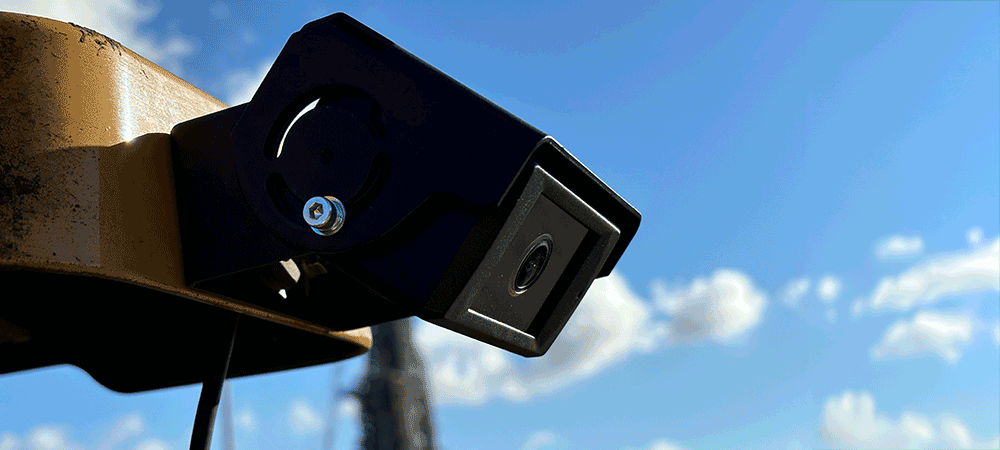
AI-based pedestrian and human detection is moving from an optional driver-assistance feature toward something major contractors increasingly expect to see around mobile plant. For fleet owners and contractors, the question is practical: how do you prepare machines that may work across different customers, projects and safety standards without continually reacting to requirements site by site?
Camera systems primarily provided operator visibility.
AI cameras can actively identify people and alert the operator.
More contractors standardise human-form recognition and expect safer plant entering their sites.
The opportunity is to prepare the fleet once rather than react project by project.
Sisk's move toward mandatory Human Form Recognition from January 2027 is one example of major contractors raising expectations around people-plant interface technology.
AI identifies people around the machine. Vision360 cameras continuously analyse their field of view and recognise pedestrians and other configured objects.
Give the operator immediate, understandable warning. The in-cab screen shows the camera image and uses configurable graduated zones to communicate increasing risk.
Turn detections into actionable safety intelligence. Detection events and video flow into the SensorZone Insights Platform, helping fleet and safety teams understand recurring risk across machines and sites.
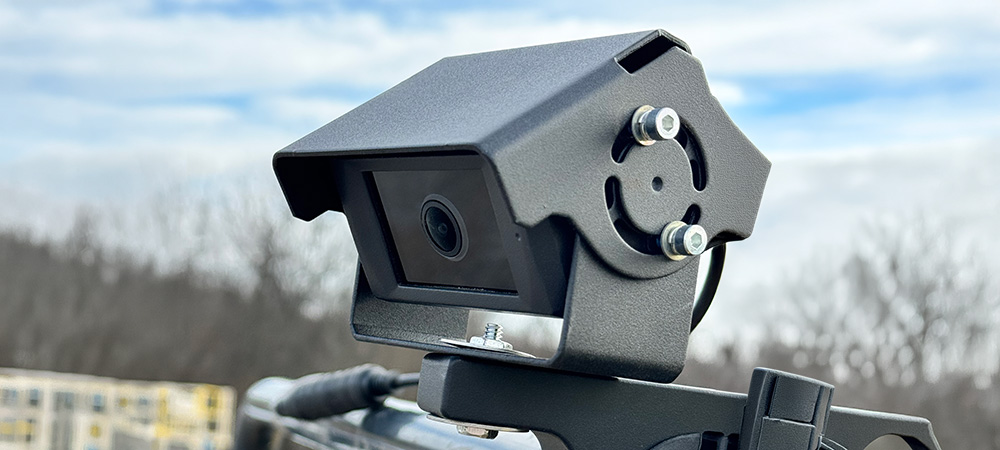
Vision360's built-in AI actively identifies pedestrians as they enter the camera's field of vision. Graduated alert zones communicate increasing risk as a person approaches the machine, with a secondary audible alert sounding once someone enters the red zone.
Detected, but within the safe area.
Approaching the warning threshold.
Critical zone with audible warning and event logging.

Every Vision360 detection creates information that can help explain where risk exists, how often it is happening and where safety teams should focus next.

Every detection event is captured with the corresponding video.

Risk and event mapping makes location-based risk obvious.
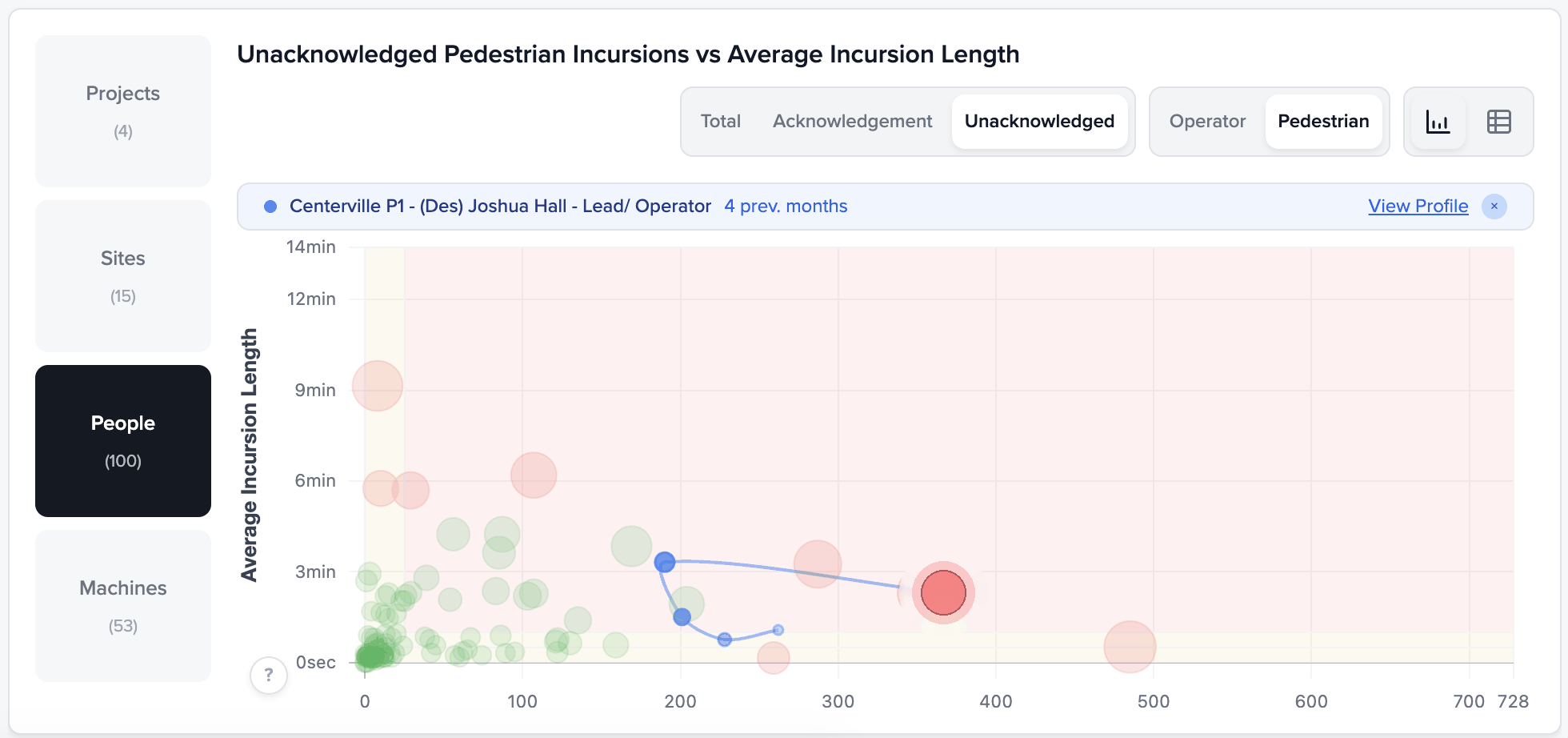
Trend analysis highlights which machines, locations and times of day generate recurring risk.
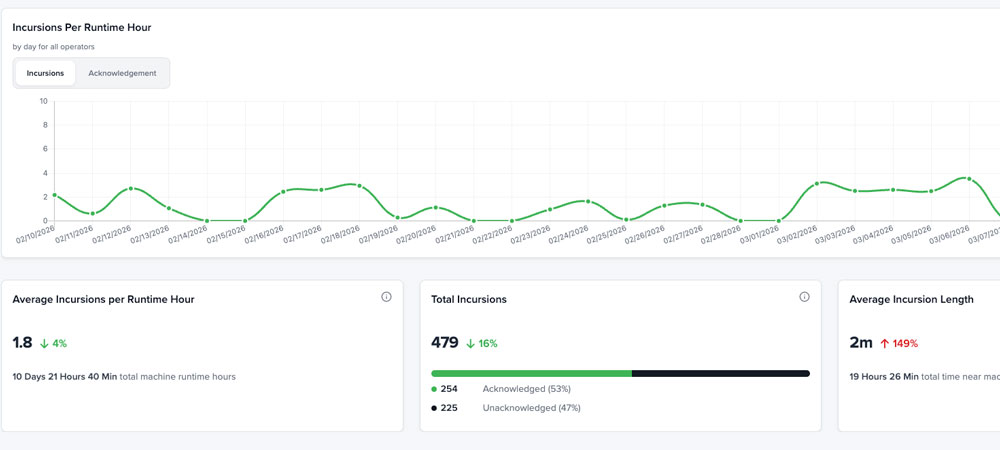
AI-generated insights turn raw events into actionable priorities for safety teams.
Whether you are reviewing a handful of machines or considering a wider fleet strategy, we can help you understand where AI pedestrian detection could fit, and how much it may cost.
AI analyses camera images to identify a person around the machine and trigger the appropriate visual, audible and data response.
No. Vision360 uses camera-based detection, so the individual does not need to carry a tag. Vision360 can also be combined with SensorZone tag-based technology where both approaches are useful.
Yes. Configuration depends on machine type and required field of view. Typical installation is completed within a couple of hours per vehicle.
Vision360 is deployed on machines such as excavators, telehandlers, loaders and dumpers, with camera quantity and positioning configured to each machine type.
It depends on the machine and its blind spots. A typical configuration can use four cameras, while larger equipment can support additional cameras.
Yes. Vision360 video can be accessed through the Insights Platform, including live feeds and historical clips.