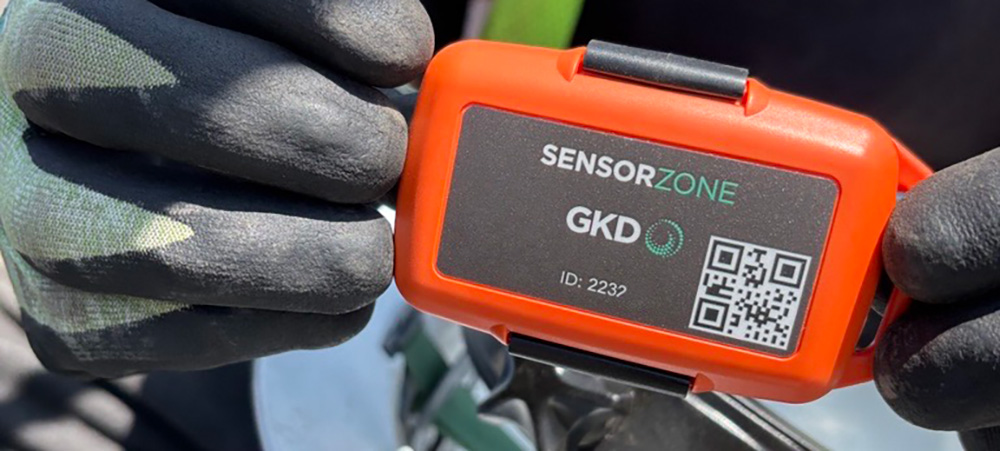
Tag-based detection
Proximity Warning Core
RFID tags and vehicle-mounted antennas detect workers in a full 360-degree field around heavy machinery.
Explore Proximity Warning Core →
Protect workers on the tipping floor, at transfer stations, on landfill sites and behind refuse collection vehicles, with tag-based and AI camera detection.






Each year, the waste and recycling sector records some of the highest rates of struck-by incidents of any industry.
SensorZone offers a range of proximity warning solutions that protect workers in every area of waste operations, from the tipping floor of a materials recovery facility to the kerbside behind a refuse collection vehicle.
Get pricing for your sites →Match the technology to each area's risk profile, from fixed sites to collection rounds.
RFID tags and vehicle-mounted antennas detect workers in a full 360-degree field around heavy machinery.
Explore Proximity Warning Core →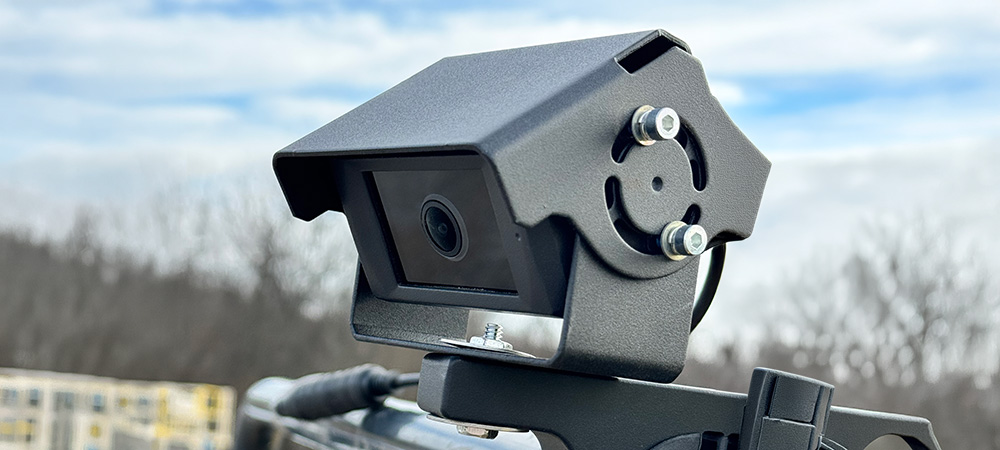
AI camera detection of people and vehicles, with colour-coded distance alerts, live streaming and downloadable video clips.
Explore Vision360 →
Adds AI camera detection to tag-based detection, giving two layers of protection for tagged workers and untagged visitors alike.
Explore Proximity Warning Plus →
Uses proximity warning technology to make automatic bin lifts safer on collection rounds, without compromising operational efficiency.
Explore RCV Smart Loader →Deployed across hundreds of waste and recycling sites, from single-site MRFs to multi-state operations.
IP67-rated tag hardware and IP69-rated cameras withstand the dust, moisture, impact and temperature extremes found in waste operations.
Combine Proximity Warning Core, Vision360 and RCV Smart Loader to match each area's risk profile.
A battery life of more than three years removes the burden of daily tag charging and administration.
Detection works without GPS or cellular coverage, inside buildings and on remote landfill sites alike.
Heat maps and trend analysis help waste operators demonstrate continuous improvement.
Every proximity event is logged to the SensorZone Insights Platform, giving safety teams a clear picture of where and when risk occurs across every site.
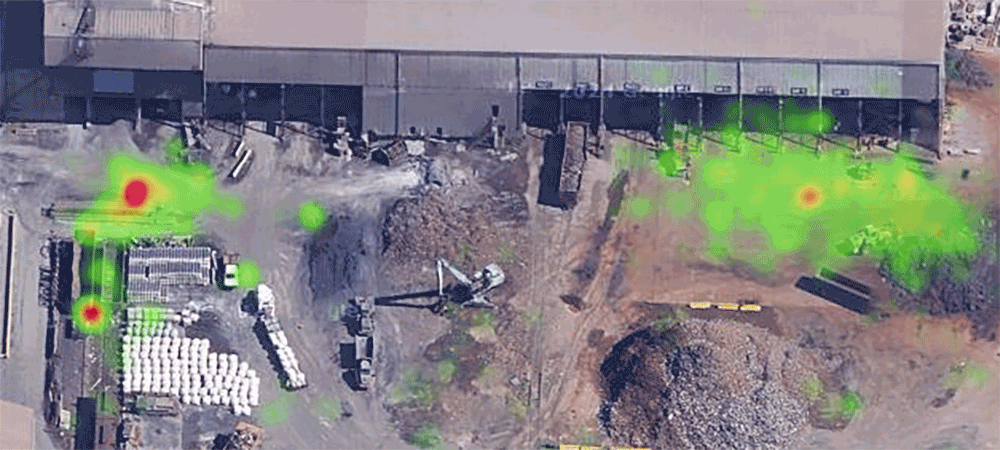
See where near misses concentrate across tipping floors, yards and transfer areas, then redesign traffic routes and exclusion zones where risk is highest.
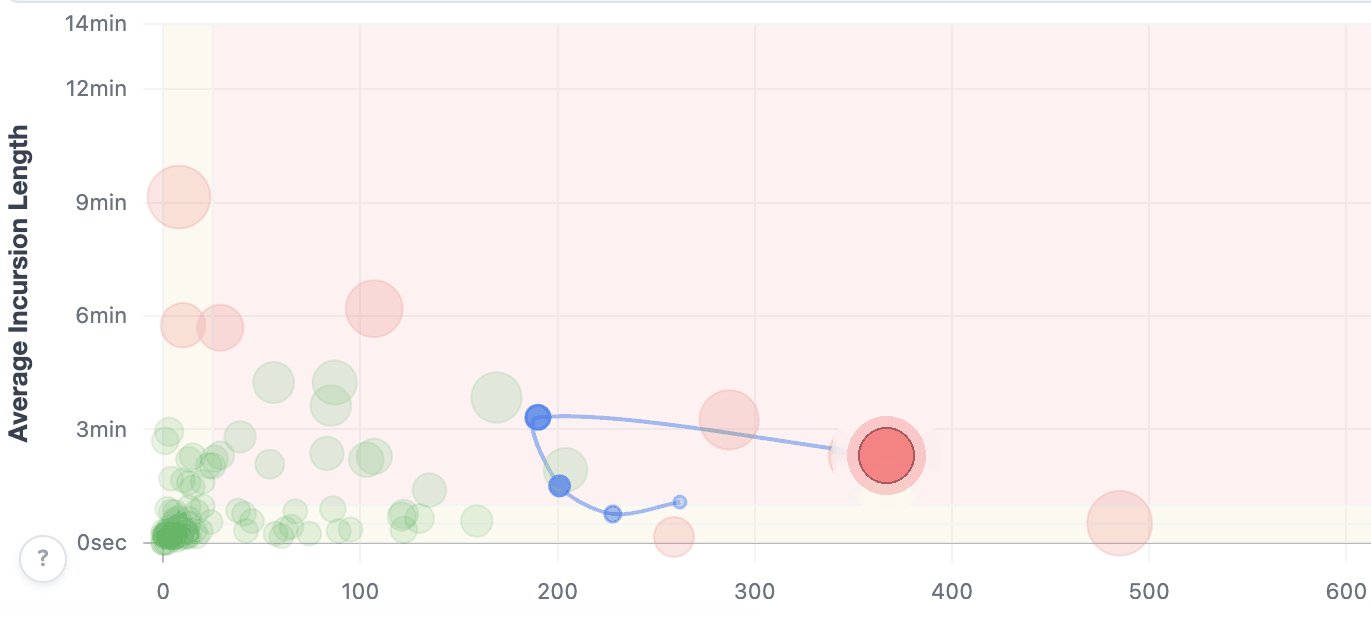
Spot operators and workers who consistently trigger more proximity events than their peers, so you can target coaching early.
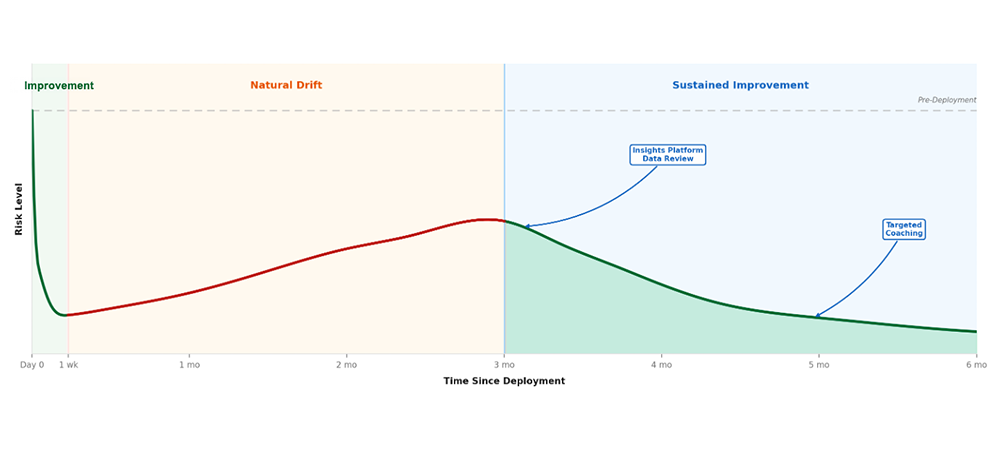
Track how safety behaviour changes over time and measure whether training and site changes are reducing near misses.
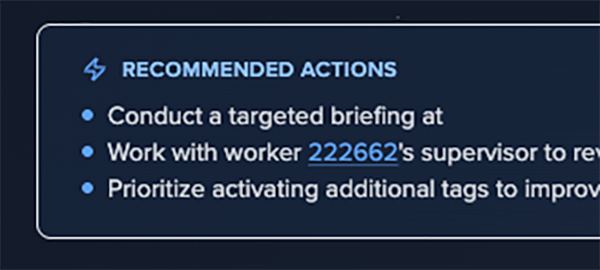
The Insights Platform AI reviews your site data in the background and summarises what is going well, what needs attention and what to do next.
Interested in piloting SensorZone at your facilities or across your fleet? Fill in the short form and a member of our team will be in touch.
Every part of a waste operation has its own mix of vehicles, people and visibility challenges.
Workers move on foot between processing stations while wheel loaders, forklifts and other machinery move material around them. Proximity Warning Core provides 360-degree detection of tagged workers that is not blocked by objects, walls or piles of waste.
Constant lorry movements, reversing and loading, and a mix of site workers and visiting drivers create overlapping traffic flows. Proximity Warning Plus protects tagged site workers and untagged visiting drivers alike.
Large earthmoving equipment, compactors and dozers work on uneven ground with visibility limited by dust, weather and sheer scale. Proximity Warning Plus works without GPS or cellular connectivity, which suits landfill sites where infrastructure is minimal.
Collection operatives step behind and beside a moving vehicle many times a day on public roads. Vision360 gives the driver a clear view around the entire vehicle, helping keep crews and members of the public safe.
For MRFs, SensorZone recommends Proximity Warning Core as the primary system, because all regular site personnel can be issued RFID tags. In areas where visitors or temporary contractors are present, Proximity Warning Plus adds AI camera detection to cover people without tags.
Yes. SensorZone systems help waste operators work in line with HSE workplace transport safety guidance and WISH (Waste Industry Safety and Health Forum) recommendations. The Insights Platform provides auditable records of proximity events, near-miss data and corrective actions.
Proximity Warning Core installs in under one hour per vehicle. A fleet of 20 vehicles can typically be fully equipped within one to two weeks, including site assessment, installation, calibration and operator training.