01
Detect
Antennas or AI cameras on the vehicle monitor a configurable zone around it and identify people as they enter.

How proximity warning works, the difference between tag and camera detection, and how to choose the right approach for your site.










A proximity warning system detects when a person on foot enters a danger zone around a moving vehicle or machine, and alerts both the operator and the person at risk in real time.
Unlike reversing cameras or reversing alarms, a true proximity warning system gives 360-degree detection, simultaneous alerts and warning zones that can be configured for each machine and environment.
Every SensorZone system follows the same three stages, whichever detection technology you choose.
Antennas or AI cameras on the vehicle monitor a configurable zone around it and identify people as they enter.
The operator gets a visual and audible alert in the cab, tagged workers feel their tag vibrate and a beacon warns people nearby.
Every event is logged to the Insights Platform, so safety teams can see where and when risk occurs and act on it.
The right technology depends on who is on foot around your vehicles and whether they can all carry a tag.
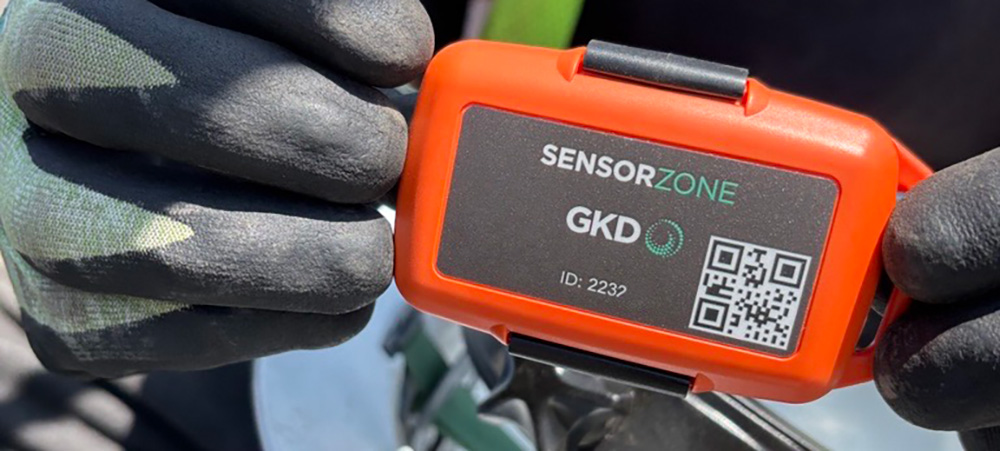
Workers wear an RFID tag that is detected through obstacles, around corners and in any weather. Proximity Warning Core.
View Proximity Warning Core →
Combines RFID tags with AI cameras, so tagged workers and untagged visitors are both detected. Proximity Warning Plus.
View Proximity Warning Plus →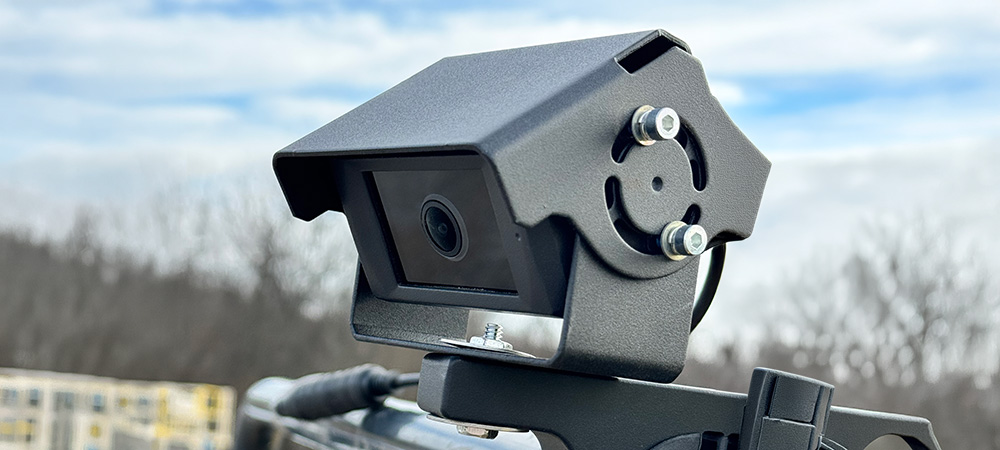
AI cameras recognise people and vehicles without anyone wearing a tag, with live video and recorded clips. Vision360.
View Vision360 →A few questions usually point to the right starting point. Our team can confirm the best fit for your site.
If all regular personnel can be issued a tag, tag-based detection gives reliable protection that works through obstacles and in any weather.
Where untagged people are present, a hybrid system adds AI cameras so they are detected too.
On hire fleets or public-facing operations, camera-based detection protects people with no tags needed.
SensorZone Flex brings tag-based detection to forklifts on a monthly subscription, with no capital outlay.
Portable Proximity Warning can be moved between vehicles or placed beside a hazard in minutes.
Every system connects to the Insights Platform for heat maps, trends, video and reporting.

Proximity warning adds an active layer of protection to the controls you already use, such as traffic management plans, segregated walkways, mirrors and cameras. It does not replace them.
Because every alert is recorded, it also gives you evidence of where people and machines come into conflict, so you can improve layouts, routes and training over time.
Browse all SensorZone products →Our safety engineers will review your site layout, traffic patterns and workforce to recommend the right combination of SensorZone systems, from a single fleet to a multi-site operation.
A proximity warning system creates a detection zone around a vehicle or machine and alerts the operator, and the person at risk, when someone enters that zone. It adds an active layer of protection to existing controls such as mirrors, cameras and traffic management.
Tag-based detection uses RFID tags worn by workers, so it works through obstacles, in any weather and around blind corners. Camera-based detection uses AI to recognise people in the camera's field of view, so nobody needs to wear a tag. Proximity Warning Plus combines both.
Tag detection zones can be configured from 2 to 10 metres around each vehicle, with multiple antennas available for larger machines. Vision360 AI cameras detect people at up to 20 metres.
No. Proximity warning is an additional control that alerts people in real time. It works alongside traffic management plans, segregation, mirrors and cameras rather than replacing them.
Yes. SensorZone detection does not rely on GPS or cellular coverage, so it works inside buildings, in tunnels and underground.